US Flags Detention and Exit Risks for American Business Travellers in Nigeria
A US investment report warns executives that commercial disputes in Nigeria can create detention, visa and departure risks.
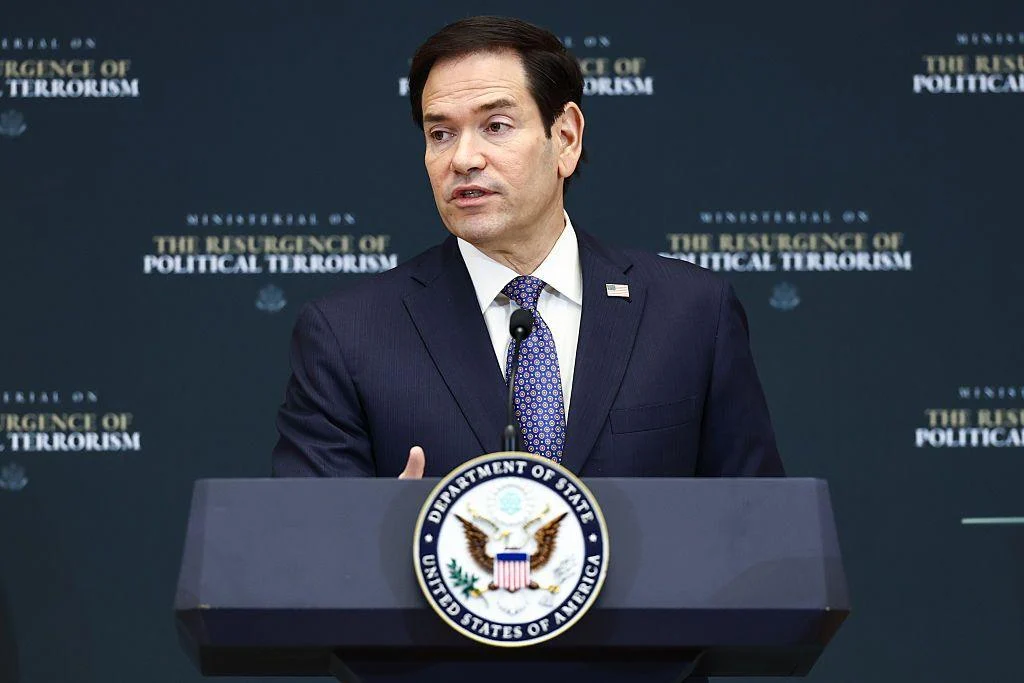
The United States has advised American companies to treat travel to Nigeria with added caution when their businesses are involved in regulatory investigations, tax disagreements or other disputes with government authorities.
The warning appears in the US Department of State's 2026 Nigeria Investment Climate Statement. The report alleges that foreign business representatives can face detention, restrictions on leaving the country and immigration scrutiny when commercial or regulatory disagreements escalate. These claims are the assessment of the US government and are not presented in the source as findings by a Nigerian court.
One case highlighted in the report involved Tigran Gambaryan, an American citizen and former US Internal Revenue Service agent who was working as an executive at cryptocurrency company Binance. Gambaryan and another senior Binance representative travelled to Abuja for meetings with Nigerian officials in February 2024. The report said their passports were taken and that both men were initially kept at a government guest house before the second executive escaped.
Gambaryan was later held at Kuje Prison while facing money-laundering charges brought by the Economic and Financial Crimes Commission and tax allegations filed by the revenue authorities. His detention lasted about eight months. The charges against him were withdrawn in October 2024 on humanitarian grounds, according to the State Department account cited by Punch.
The US report also raised concerns about travel restrictions sometimes imposed during business or regulatory disputes. It said watch-list measures can affect the ability of foreign executives to leave Nigeria while disagreements over alleged tax liabilities or regulatory matters remain unresolved.
Airport treatment was another area identified in the assessment. The State Department referred to Nigerian media investigations alleging that some security personnel had targeted passengers perceived to be wealthy. It also said there were anecdotal reports of business-visa holders experiencing delays when trying to depart major Nigerian airports while immigration officials reviewed whether their activities complied with visa conditions.
Business visas generally cover meetings and related commercial engagements but do not authorise paid employment. The report therefore advised travellers to understand the limits of their immigration status and the possible consequences of regulatory scrutiny during a visit.
Despite these concerns, the US assessment also acknowledged features of Nigeria's investment environment that support foreign business participation. It noted that full foreign ownership is generally permitted across most sectors, subject to restrictions in certain industries, and referenced the Nigerian Investment Promotion Commission's One-Stop Investment Centre, which brings together 27 government agencies to assist investors.
The report further said US foreign direct investment in Nigeria stood at $7.9bn at the end of 2024, up 25% from the previous year, while bilateral trade reached $14.8bn in 2025. Those figures show that commercial ties between both countries have continued even as the State Department raises concerns about security, regulation, governance and the treatment of business travellers.