Senate Says Electoral Act Will Remain Unchanged Until After 2027 Elections
The Senate says the Electoral Act 2026 will stay in place through the 2027 polls, despite renewed debate after a Supreme Court ruling.
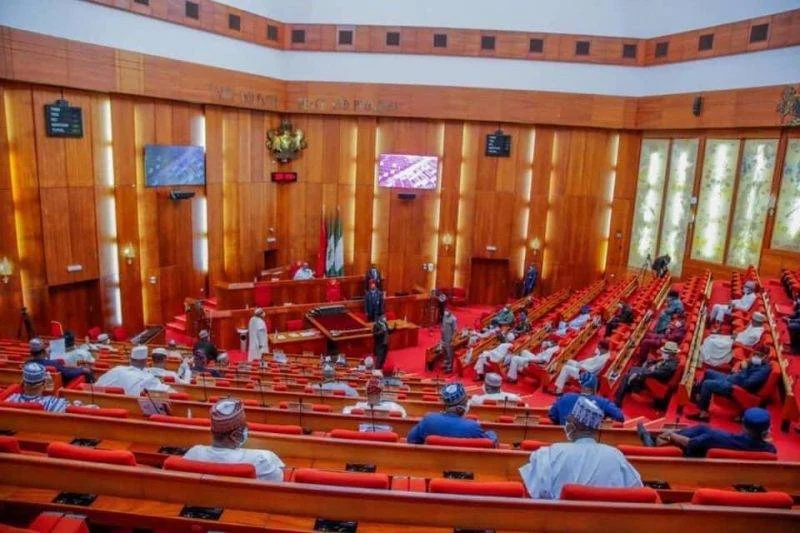
Nigeria's Senate has said it does not plan to amend the Electoral Act 2026 before the next general elections, arguing that political parties have already begun organising their activities under the existing framework.
Senator Yemi Adaramodu, who chairs the Senate Committee on Media and Public Affairs, said lawmakers consider their work on the current electoral legislation complete. He told Saturday PUNCH that any further changes would be considered only after the 2027 elections, if experience from the polls or subsequent demands make another review necessary.
The Senate's position comes after a Supreme Court decision restored provisions of the law dealing with political party membership registers and candidate-selection procedures. A seven-member panel unanimously overturned an earlier Court of Appeal judgment that had invalidated Sections 77(5), 77(6), 77(7) and 84(2) of the Electoral Act 2026.
The Court of Appeal ruling had followed a case brought by the Zenith Labour Party, which challenged the provisions on the basis that they interfered with how political parties manage their internal affairs. The Supreme Court later reversed that decision and also restored portions of the Independent National Electoral Commission's timetable that had been affected by the appellate ruling.
Adaramodu said changing the legislation at this stage could interfere with election preparations already underway. He noted that parties have started using the current legal framework to produce candidates for contests scheduled for January and February, making another legislative change before voting begins impractical from the Senate's perspective.
The provisions at the centre of the court dispute have significant implications for political parties. Sections 77(5) to 77(7) regulate membership registers and limit participation in primaries, congresses and conventions to members whose names appear on records submitted to INEC. Section 84(2), meanwhile, recognises direct primaries and consensus arrangements as methods political parties may use when selecting candidates.
The Supreme Court judgment has therefore shifted attention from whether those sections remain valid to how they will be applied during the 2027 election cycle. Questions have emerged around membership documentation, waivers and candidate nomination processes that could later face legal examination.
For now, however, the Senate's position is that those issues should be handled within the law already in force rather than through another round of amendments before the election. Adaramodu said petitions concerning the legislation may still be submitted to lawmakers, but the chamber does not intend to replace or suspend the framework currently guiding electoral preparations.