Presidency Rejects Atiku’s Petrol Support Proposal, Citing Limited State Crude Supply
The Presidency says Atiku Abubakar’s proposed petrol production support cannot work because government-controlled crude is insufficient.
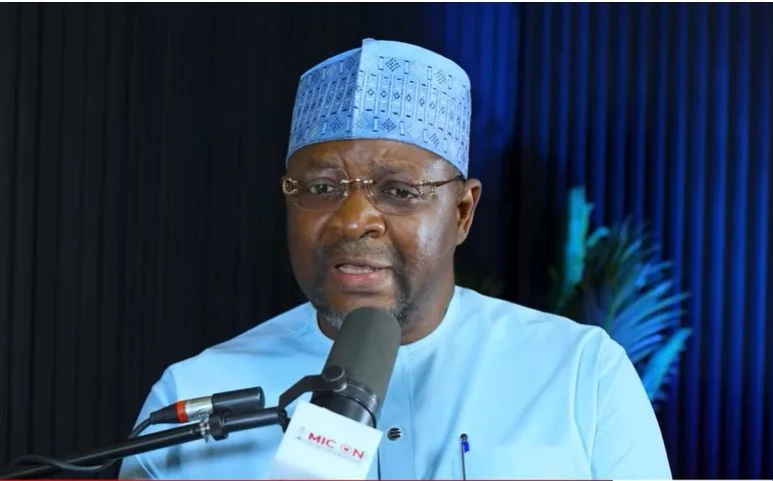
The Presidency has rejected former Vice President Atiku Abubakar’s proposal for a production-based petrol subsidy, arguing that the Federal Government does not control enough unrestricted crude oil to sustain such an arrangement.
Presidential media adviser Sunday Dare made the government’s case in a statement released on Sunday after Atiku criticised the temporary NNPC Retail petrol discount and the administration’s price-management approach. According to Dare, Atiku had argued that President Bola Tinubu adopted parts of his economic thinking while leaving out the production subsidy he considered essential to the model.
Dare relied on figures attributed to Finance Minister Taiwo Oyedele, who recently said Nigeria produces roughly 1.8 million barrels of crude oil each day. The Presidency argued that this headline production figure does not represent crude freely available to the state because existing joint ventures, production-sharing contracts, royalties, operating expenses and profit-sharing arrangements reduce the government’s usable share. It put unrestricted state crude at below 700,000 barrels per day.
On that basis, the Presidency said supplying discounted crude broadly to refiners would be difficult without affecting other obligations. It pointed to the Dangote Petroleum Refinery and other domestic processors, noting that their feedstock requirements exceed what government can freely allocate. The statement said this helps explain why Nigerian refiners also purchase crude from international sources.
The government also defended NNPC Retail’s temporary petrol price reduction. According to Dare, the original discount was introduced around Nigeria’s 66th Independence anniversary and NNPC later offered to continue it for another 30 days. The Presidency’s position is that the measure relies on NNPC’s corporate finances to cushion short-term market volatility rather than on direct government payments to fuel importers.
Dare further explained that an interim ceiling of N1,350 per litre had been negotiated for ex-gantry costs. Under the arrangement described by the Presidency, refiners and importers temporarily absorb costs above that threshold and may recover them when crude prices or exchange-rate conditions improve. The ceiling is reviewed monthly using cost information, according to the statement.
The Presidency also listed other policies it says are intended to reduce energy pressures. These include a strategic energy reserve, expansion of compressed natural gas, naira-denominated crude supply for local refineries, taxes on exceptional gains by energy operators and enforcement of tax reforms aimed at removing unauthorised road levies. Dare said CNG can be substantially cheaper than petrol and that proceeds from certain energy taxes are intended to support transport and wage-related interventions.
Several of the administration’s broader economic claims were also repeated in the statement. Dare said petrol subsidy removal and exchange-rate unification had reduced major fiscal losses, increased funds distributed through the Federation Account, ended long fuel queues and narrowed the difference between official and parallel foreign-exchange rates. These are claims advanced by the Presidency in its response to Atiku.
The disagreement therefore centres on two competing approaches to managing fuel costs. Atiku has criticised the government’s temporary discount and proposed production support, while the Presidency argues that Nigeria’s available crude volumes and existing contractual obligations make that alternative impractical.