Patrick Osoi Says Kenya Should Use Local Capital for Planned Lamu Refinery
Kenyan presidential hopeful Patrick Osoi says domestic investors should lead the proposed $16bn refinery project in Lamu.
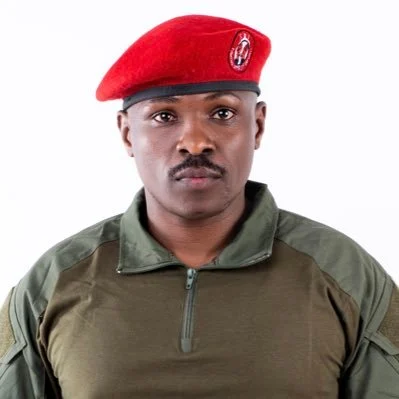
Kenyan presidential hopeful Patrick Osoi has challenged the proposed involvement of Nigerian industrialist Aliko Dangote in a $16bn refinery planned for Lamu, arguing that Kenyan investors should be given responsibility for developing the project.
Osoi made his position known while speaking to supporters at an event organised by the Lions Movement. In a video that gained attention on Sunday, he appealed to Dangote not to move quickly with the investment, saying that if he becomes Kenya's president next year, his preference would be for local businesspeople to undertake the refinery development.
His remarks target a project designed with a proposed processing capacity of 700,000 barrels of crude oil each day. According to the source, the facility is intended to supply petroleum products within Kenya and to markets elsewhere in East Africa, while increasing the amount of fuel processed within the region rather than relying as heavily on imported products.
The refinery project has already advanced beyond the announcement stage. Dangote and Kenyan President William Ruto took part in a groundbreaking ceremony on September 30, 2026. Reports cited by Punch put the expected construction period at about 40 months.
Osoi's objection centres on who should develop the facility rather than on a rejection of refining investment itself. He told his audience that Kenya has entrepreneurs capable of executing a project of that nature and indicated that a government led by him would favour those domestic investors. His comments represent his political position as a presidential aspirant and do not amount to a government decision on the refinery.
The proposed development is also facing objections from some residents in the project area. Punch reported concerns relating to ownership of land, compensation arrangements and possible environmental effects. A Kenyan court has additionally directed that the existing situation be maintained while a land dispute connected to the project is being considered.
Those legal and community issues exist separately from Osoi's political challenge to Dangote's participation. The source does not state that the refinery agreement has been cancelled, that construction has been permanently stopped or that the Kenyan government has adopted Osoi's proposal to replace Dangote with local investors.
For now, the $16bn project remains associated with Dangote's planned investment in Lamu, while Osoi is making the refinery part of his wider argument for greater participation by Kenyan-owned businesses if he wins the country's next presidential election.