Olawuyi urges African governments to link investment growth with human rights safeguards
Prof. Damilola Olawuyi says African governments should protect human rights and the environment while pursuing investment and trade.
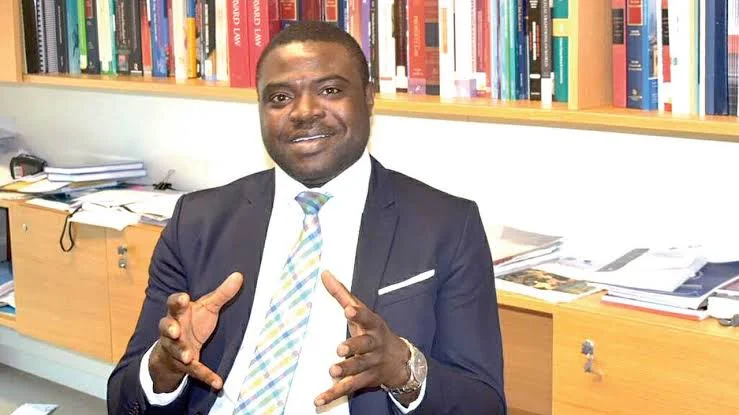
African governments have been urged to ensure that efforts to attract foreign investment and expand trade do not weaken human rights or environmental protections. United Nations independent expert and Senior Advocate of Nigeria Prof. Damilola Olawuyi made the call while addressing the 5th Africa Forum on Business and Human Rights in Dakar, Senegal.
Olawuyi argued that investment and trade remain important for economic growth, job creation and sustainable development across Africa, but said those objectives should be pursued alongside stronger safeguards for communities and the environment. His address came as the forum marked 15 years since the adoption of the United Nations Guiding Principles on Business and Human Rights.
The forum focused on responsible business conduct and the right to a clean, healthy and sustainable environment. Olawuyi said Africa's approach over the coming years should combine investment expansion with locally developed solutions that reduce risks to people and the environment. He also maintained that stronger human rights practices can benefit businesses by reducing regulatory and reputational risks, supporting relationships with host communities and strengthening workforce commitment.
Olawuyi drew particular attention to pressures emerging from technological development. He identified the expansion of data centres and the wider digital economy as areas that can create additional demands on water, electricity and environmental resources. He therefore called for investment decisions in these areas to consider their possible effects on communities and natural resources rather than focusing only on their economic benefits.
He also urged governments, investors and companies to make human rights due diligence a central part of investment planning and decision-making. According to Olawuyi, infrastructure and other projects that could negatively affect people or the environment should not receive approval solely because they promise economic returns. He further stressed the need for African countries to strengthen local expertise and develop homegrown responses to development challenges.
Among the groups he said should receive greater financial and technical support are clean-energy innovators, national human rights institutions, universities and other higher education institutions, the media, civil society organisations, Indigenous groups and human rights defenders. Olawuyi said stronger support for these institutions could improve public understanding of available remedies and channels for raising concerns while contributing to peace and sustainable development.
He also called for greater investment in human rights education and public awareness, linking such efforts to youth-led entrepreneurship and innovation. Olawuyi urged governments and businesses to move beyond policy commitments by taking practical steps to implement the United Nations Guiding Principles on Business and Human Rights across the continent.