Navi Pillay Receives 2026 Nobel Peace Prize for Advancing International Justice
South African jurist Navi Pillay has received the 2026 Nobel Peace Prize for decades of work strengthening international law and accountability.
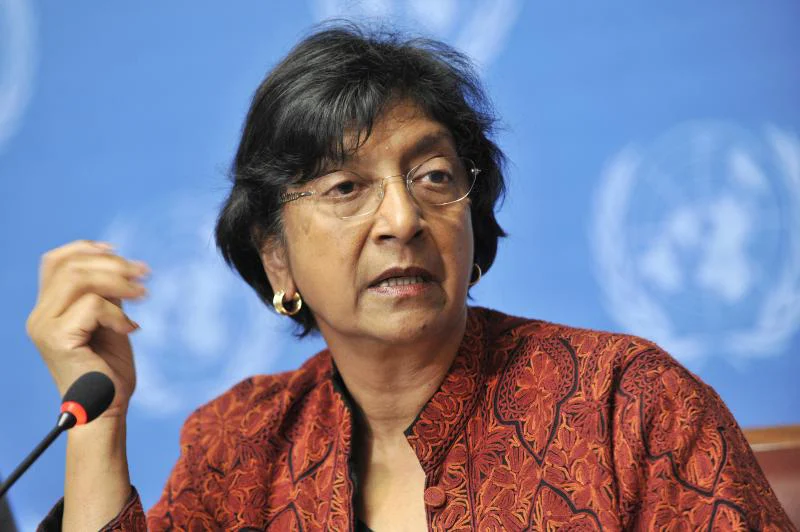
South African jurist Navanethem "Navi" Pillay has been awarded the 2026 Nobel Peace Prize, with the Norwegian Nobel Committee highlighting her decades of work using international law to pursue accountability for grave crimes and strengthen peaceful dispute resolution.
The committee announced the award on Friday, October 9, describing Pillay's career as one marked by courage, independence and a consistent commitment to legal principles. It credited her with helping expand the practical reach of international justice, particularly in cases concerning genocide, crimes against humanity and other serious violations.
Pillay grew up in Durban in a family of Indian Tamil heritage during South Africa's apartheid era. She later became a lawyer and challenged discrimination and segregation through her legal work. The Nobel Committee also noted her involvement in defending Nelson Mandela and other opponents of apartheid before she moved into senior judicial and international roles.
Her career has included service on South Africa's High Court, the International Criminal Tribunal for Rwanda and the International Criminal Court. Pillay also served as the United Nations High Commissioner for Human Rights and, until recently, chaired the UN commission examining the Occupied Palestinian Territory. The source further states that she currently serves as a judge at the International Court of Justice in the case involving genocide allegations against Myanmar.
A major part of the Nobel Committee's explanation focused on Pillay's work at the Rwanda tribunal. It said her contribution helped advance legal recognition that rape and other forms of sexual violence can fall within offences such as crimes against humanity and genocide. The committee also credited her role in a case where incitement to genocide was prosecuted on the basis of propaganda.
Beyond Pillay's individual record, the committee used the announcement to warn about increasing pressure on international legal institutions. It argued that global stability depends on countries and leaders being subject to law rather than allowing political or military power to determine outcomes. The committee also acknowledged that international law has not always been applied evenly, particularly when powerful states are involved.
The Nobel Committee presented the 2026 prize as a reaffirmation of the connection between justice and peace. It said Pillay's work demonstrated how courts, legal institutions and accountability mechanisms can contribute to preventing violence and resolving disputes without force.
The committee also linked her selection to the principles set out in Alfred Nobel's will, saying her career had strengthened cooperation between nations through international tribunals and the rule of law. It described her record as an example for people working to protect human dignity and build stronger systems of international justice.