Kila Dispute Renews Calls for Stronger Checks on Academic Titles
Security scholar Sunday Ogunlana has called for stricter verification of professorial claims by universities, employers and media organisations, using questions raised about Anthony Kila's academic status to examine wider weaknesses in credential checks.
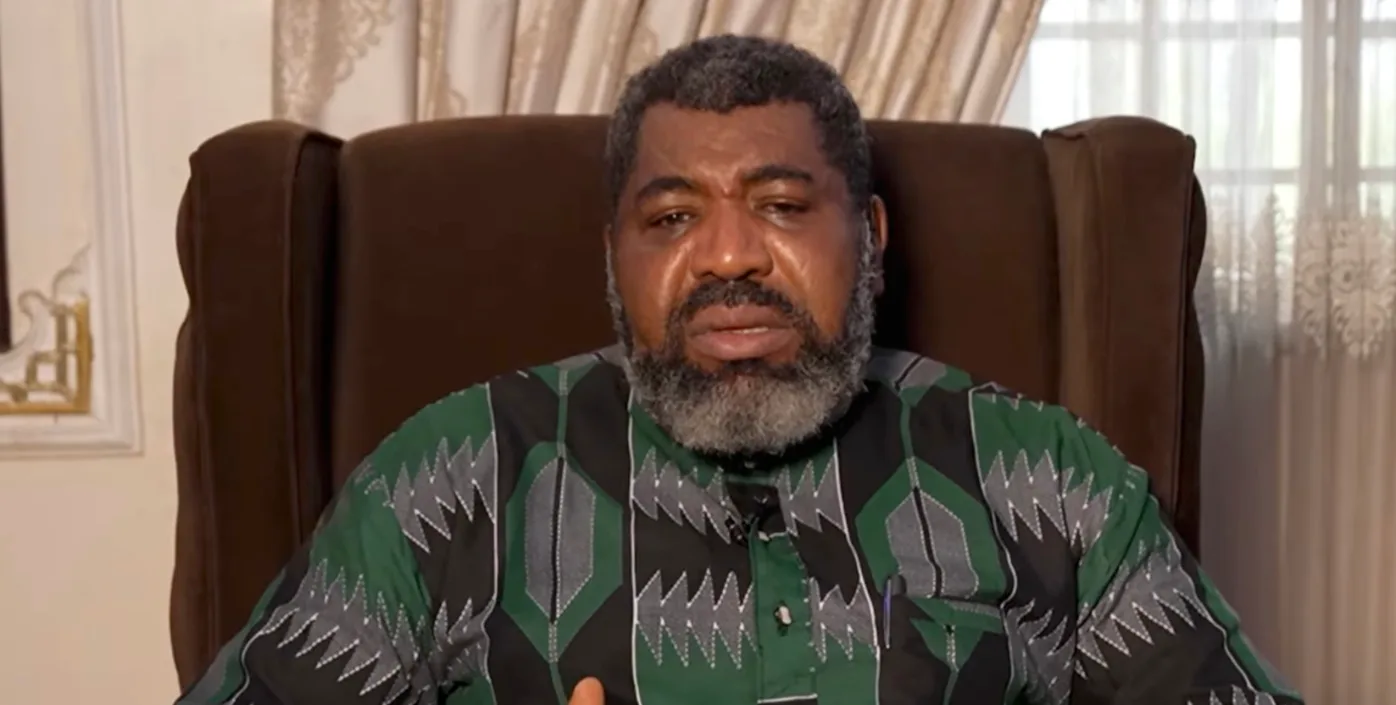
A dispute over Anthony Kila's use of the title of professor has drawn attention to how academic credentials are checked before individuals are appointed to senior positions or presented publicly as scholars.
Writing in an opinion article for Premium Times, security scholar Sunday Ogunlana argued that claims to professorial rank should be supported by records that can be independently traced to the institution that granted the appointment.
His argument followed an investigation by Premium Times into Kila's academic status. Kila serves in the governing leadership of Michael and Cecilia Ibru University, and the newspaper reported that it was unable to confirm that a recognised academic institution had formally awarded him professorial rank.
Ogunlana maintained that legitimate academic advancement normally produces documentary evidence. He pointed to records of appointment, academic qualifications, scholarly work, assessments and institutional approvals as information that can help establish whether a professorial claim is valid.
Discussing Nigerian universities, he described promotion to professor as a structured process involving progression through academic ranks, evaluation of research and institutional approval. He also noted that academic systems differ internationally and that categories such as honorary, visiting and emeritus professorships operate under separate arrangements.
The author revisited findings from the Premium Times investigation concerning the organisation Kila associated with his academic title. The newspaper said searches of records in the United Kingdom and Nigeria did not establish the existence of the institution in the form described to it.
Premium Times also reported that the European body connected with the Jean Monnet programme did not list Kila in the role examined during its investigation. Those findings remain claims made by the publication and do not represent a final ruling by a court or regulatory authority.
Ogunlana argued that the controversy illustrates a broader need for universities, governing boards, public institutions and news organisations to verify senior academic titles rather than relying on repeated public use of those designations.
His commentary also referred to an earlier disagreement surrounding a professorial appointment at the Federal University of Technology, Owerri. According to the article, a local branch of the Academic Staff Union of Universities supported that appointment process, while the union's national leadership challenged it.
Ogunlana additionally cited the National Universities Commission's November 2025 restriction on universities awarding honorary doctorates to serving political office holders as another example of concern over the administration and public use of academic honours.
His broader recommendation was that organisations should establish the institution responsible for an academic title, when the appointment was made and the process through which it was awarded before presenting the holder as a professor.