Kenya Records Imported Bundibugyo Ebola Case as Authorities Trace Contacts
Kenyan health authorities have confirmed an imported Bundibugyo Ebola infection linked to the outbreak in the Democratic Republic of the Congo. The patient later died, while officials are monitoring contacts and tracing people who shared the flight to Nairobi.
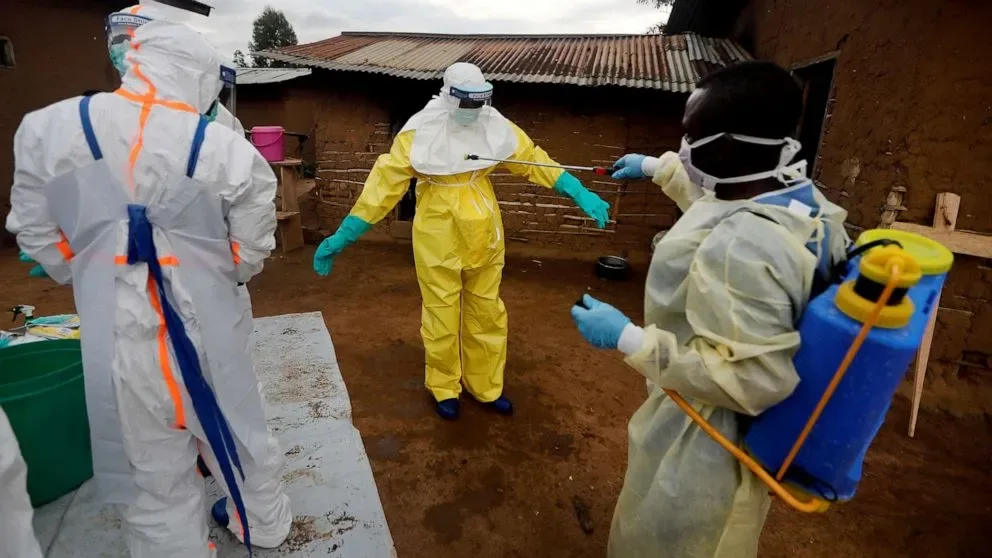
Kenya has recorded an imported case of Ebola caused by the Bundibugyo virus, making it the fourth country affected during the current outbreak, according to the World Health Organisation's Regional Office for Africa.
The infected person was a Kenyan citizen who had been living in the Democratic Republic of the Congo and became ill while there. After travelling overland to Kampala in Uganda, the patient flew to Nairobi and was subsequently isolated when symptoms developed.
Testing carried out by Kenya's National Virology Reference Laboratory and the Kenya Medical Research Institute confirmed Bundibugyo virus infection.
The patient received supportive treatment but died during the night of October 5. Kenyan authorities conducted the burial on Tuesday using the country's established Ebola burial procedures, WHO said.
Kenya formally notified WHO about the case on October 6 under the International Health Regulations. Health officials have identified 28 contacts, including relatives and healthcare workers who attended to the patient.
Authorities are also working to locate 23 passengers and four crew members who travelled on the same flight.
Kenya had already increased preparedness before the case was detected. WHO said more than 652,000 arriving travellers had been screened by Tuesday, while 267 suspected samples had undergone testing. About 5,000 health workers had also received training related to Ebola prevention and management.
WHO has supplied roughly 1,000 diagnostic tests and the same number of personal protective equipment kits to Kenyan counties considered at higher risk.
The wider outbreak remains most severe in the Democratic Republic of the Congo. WHO reported 7,890 confirmed infections and 3,799 deaths there as of September 23, representing a case fatality ratio of 48.1%. Cases had been recorded across 63 health zones in seven provinces.
Uganda, where the Bundibugyo virus was initially identified in 2007, ended its most recent outbreak in August. France also reported a travel-associated case in June. WHO said most infections recorded in Uganda during the recent outbreak had been imported from the DRC, with some local transmission occurring among contacts and healthcare workers.
Nigeria has also increased surveillance because of the regional situation. The Nigeria Centre for Disease Control and Prevention said in a September advisory that enhanced monitoring measures had been activated.
Travellers arriving from countries with active or relevant Ebola transmission may be required to complete a health declaration before departure, providing details including recent travel, transit locations, their Nigerian destination and health status. The NCDC said the measure is intended to help detect and prevent imported infections.