Germany and Russia Hold First Foreign-Minister Talks Since 2022 Amid Ukraine War Tensions
German Foreign Minister Johann Wadephul and Russia’s Sergey Lavrov have held their first bilateral meeting since before Russia’s full-scale invasion of Ukraine, but the talks exposed continuing disagreements over the war and wider security tensions between Moscow and Berlin.
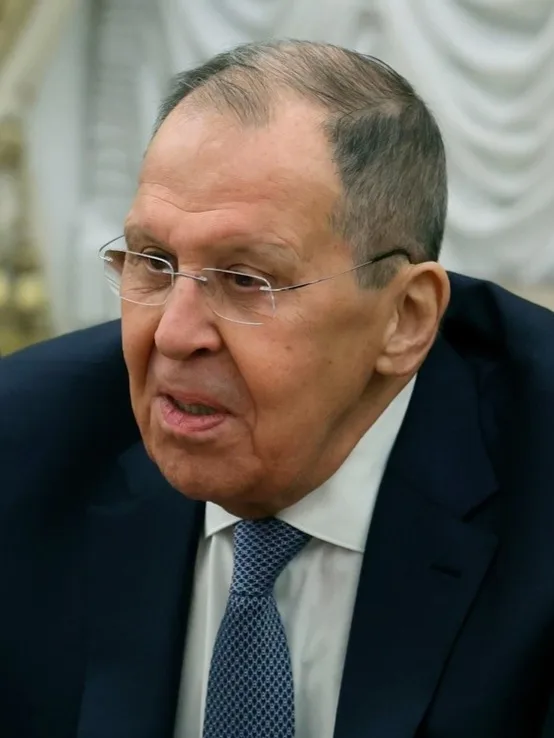
Germany and Russia’s foreign ministers have met face-to-face for the first time since before Russia launched its full-scale invasion of Ukraine in 2022, reopening a direct diplomatic channel at a time of unusually strained relations between Berlin and Moscow. Reuters
German Foreign Minister Johann Wadephul met his Russian counterpart Sergey Lavrov on Saturday on the sidelines of the United Nations General Assembly in New York.
The meeting was requested by the German side and marked the first bilateral talks at foreign-minister level between the two countries since January 2022, when Lavrov met Wadephul’s predecessor, Annalena Baerbock, shortly before Russian forces entered Ukraine. The Moscow Times
The talks did not produce an obvious breakthrough.
According to German officials, Wadephul urged Russia to move away from what Berlin described as a “dangerous path of escalation” towards Germany, Europe and NATO.
He also made clear that Germany remained open to improved relations with Moscow, but said that would require Russia’s leadership to show genuine willingness to bring the war in Ukraine to an end. The Washington Post
Speaking afterwards, Wadephul described the discussion as intense and acknowledged that the two sides continued to disagree on major issues.
He nevertheless defended the decision to meet, arguing that diplomacy is particularly important between governments that are in serious disagreement.
Russia offered a very different assessment.
Lavrov said Wadephul had largely repeated Germany’s existing public position and suggested the meeting had brought little that was new.
During his address to the UN General Assembly, Lavrov also accused European governments of obstructing attempts to negotiate an end to the war in Ukraine. Russia has maintained that it will continue pursuing its objectives in the conflict until what Moscow describes as threats to its security have been addressed. AFP
Germany, meanwhile, has remained one of Ukraine’s largest international supporters, providing military, financial, humanitarian and civilian assistance since the full-scale war began.
The German government says it has committed more than €57 billion in military assistance and over €43 billion in bilateral civilian support to Ukraine, including air-defence systems, energy assistance and humanitarian programmes. Auswärtiges Amt
Relations between Berlin and Moscow have deteriorated further in recent weeks following an attempted drone attack at Leipzig/Halle Airport in August.
Germany formally blamed Russia for the incident after an investigation involving police and intelligence agencies. German officials said the drone technology, explosives and methods used were consistent with techniques previously associated with Russian hybrid operations.
Moscow rejected the accusation and disputed Germany’s evidence. Reuters
The incident prompted Berlin to announce measures against Russian institutions and added to German concerns about what it describes as a wider campaign of cyberattacks, sabotage and other hybrid activities targeting European countries that support Ukraine.
Russia has repeatedly denied responsibility for a number of such accusations and has in turn accused Germany and other European governments of pursuing increasingly confrontational policies towards Moscow.
Those tensions were also visible in Lavrov’s UN speech.
The Russian foreign minister criticised Germany’s plans to strengthen its military capabilities and invoked the history of the Second World War while questioning Berlin’s ambitions for a larger international security role.
Germany says its increased defence spending and military preparations are a response to the changed European security environment created by the war in Ukraine and wider concerns about Russian activity. WJXT
Despite their disagreements, Saturday’s meeting is significant because direct high-level contact between Russia and Germany has been extremely limited since 2022.
Wadephul has said Germany wants to help restore communication between parties involved in major international conflicts, while continuing to support Ukraine and calling for negotiations that could lead to a sustainable peace. Auswärtiges Amt
The New York meeting provided no indication that either side had substantially changed its position.
But after more than four years in which relations between two of Europe’s most influential countries have largely been frozen, the meeting showed that Berlin and Moscow are at least willing to speak directly — even while their disagreements over Ukraine and European security remain unresolved.