Ekiti Sets N490.74bn Spending Plan for 2027, With N215.06bn for Capital Projects
Ekiti’s proposed N490.74bn 2027 budget assigns N275.68bn to recurrent costs and N215.06bn to capital projects.
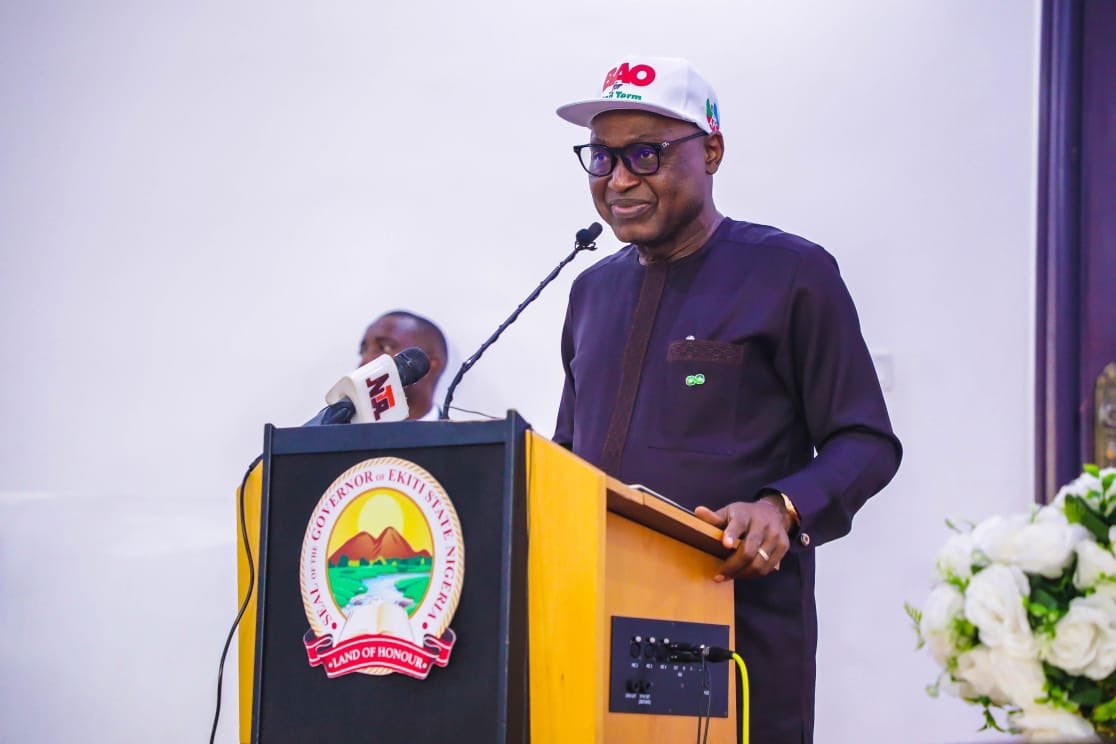
Ekiti State has unveiled a proposed N490.74bn spending plan for 2027, with the government allocating N275.68bn to recurrent expenditure and N215.06bn to capital projects.
Governor Biodun Oyebanji presented the proposal to lawmakers in Ado Ekiti under the title "Budget of Sustained Progress and Prosperity." He said the plan is intended to continue programmes already under implementation while supporting the state’s broader development priorities.
The spending framework is tied to Ekiti’s long-term development strategy covering 2021 to 2051. Oyebanji said planned expenditure would focus on six areas: education and healthcare; governance and transparency; arts, culture and tourism; youth development and employment; infrastructure and industrial growth; and agriculture and rural development.
The proposal will now undergo legislative scrutiny before it can be approved. Speaker Adeoye Aribasoye said the Assembly would examine the credibility of projected revenues, the legality of proposed spending and the extent to which the allocations respond to the state’s development needs.
Lawmakers also plan to consider public input during the review process. According to Aribasoye, residents and civil society groups will have opportunities to contribute, while the Assembly will assess how projects are distributed across the three senatorial districts, 16 local government areas and 22 local council development areas.
The balance between recurrent costs and development spending is also expected to receive attention. Recurrent expenditure represents the larger portion of the plan at N275.68bn, while N215.06bn has been reserved for capital investment. The Assembly said it would review whether this mix adequately reflects the state’s priorities.
Oyebanji described the proposal as part of his administration’s development agenda, while the Speaker said lawmakers would combine cooperation with oversight as they consider the bill. The presentation therefore begins the formal legislative process that must be completed before the 2027 spending plan can take effect.