Akwa Ibom Education University Sets Global Skills, Research and Infrastructure Priorities
Pioneer VC Philip Afaha says Akwa Ibom's new education university will focus on skills, research, infrastructure and global workforce readiness.
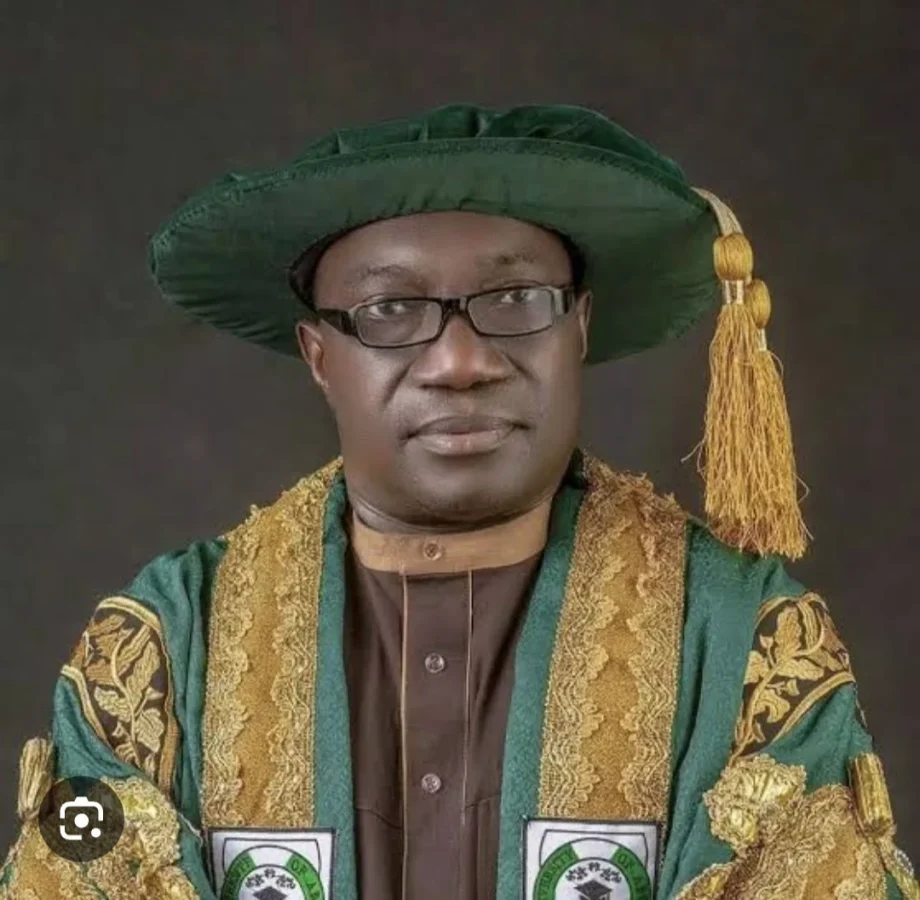
The newly established Akwa Ibom State University of Education in Afaha Nsit plans to develop programmes aimed at preparing graduates for changing workforce demands while expanding research, infrastructure and partnerships, according to its pioneer Vice-Chancellor, Prof. Philip Afaha.
Afaha outlined the institution's priorities during its first interactive session with members of the university community. The institution evolved from the former Akwa Ibom State College of Education after Governor Umo Eno signed legislation upgrading it to university status on July 28, 2026. Afaha was later appointed pioneer vice-chancellor during the state's World Teachers' Day celebration.
The university intends to combine teaching, research and community service with academic programmes covering pedagogical sciences, humanities, management, natural sciences, social sciences, computing and emerging areas of knowledge. Afaha said the curriculum would be developed in line with National Universities Commission requirements and relevant international standards.
Research and innovation are also expected to form a major part of the institution's development. The vice-chancellor said his administration would encourage research with practical applications, support the commercialisation of research findings and promote projects capable of addressing social and economic problems. He also identified entrepreneurial development and scientific discovery as areas through which students could gain skills beyond conventional classroom learning.
Afaha placed infrastructure among his administration's main priorities. Existing facilities are expected to be improved while additional infrastructure is developed to support teaching, learning and research. He appealed to businesses, development organisations and other potential partners for assistance with facilities and equipment, including classrooms, hostels, laboratories, vehicles, computers and internet connectivity.
The university does not intend to rely only on state government funding. Afaha said the institution would pursue partnerships and other forms of support from organisations within Nigeria and abroad. He linked that approach to the need to build an institution capable of responding to developments in areas such as artificial intelligence, robotics, nanotechnology and genetic editing.
Internal administration and staff relations were another focus of the vice-chancellor's address. He called for an end to divisions among employees and said the university would promote mentorship, professional training, workshops and collaboration with other institutions. He also identified fairness, discipline and justice as principles his administration intends to apply in managing the university.
For students, Afaha said the institution's goal extends beyond producing graduates who only seek conventional employment. He wants the university to develop educators, innovators and entrepreneurs who can compete in a wider global economy. He also warned the pioneer student body against cultism, examination malpractice, sexual harassment and other misconduct that could damage the institution's reputation.
The university's transition from a college of education therefore brings a broader academic and institutional mandate, with its leadership placing emphasis on workforce preparation, research, entrepreneurship, infrastructure and partnerships as it begins operating under university status.