Akwa Ibom Approves ₦50,000 Clothing Allowance for 20,000 Teachers
Akwa Ibom Governor Umo Eno has approved a ₦50,000 clothing allowance for each of 20,000 teachers employed by the state, alongside support for registered private schools and plans to recruit 2,000 additional teachers.
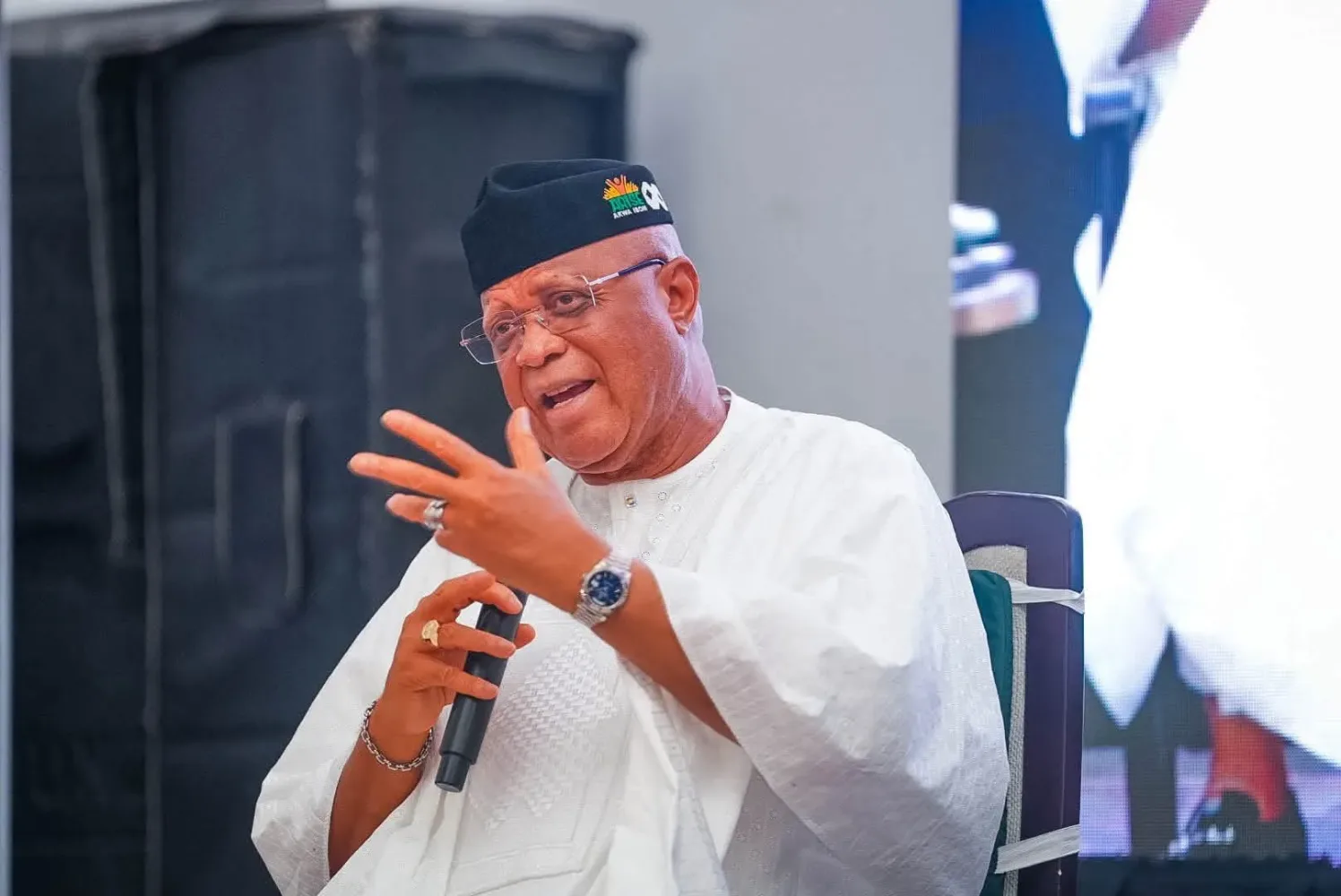
Akwa Ibom State Governor Umo Eno has approved a ₦50,000 allowance for each of the 20,000 teachers employed by the state government to support their clothing needs.
Eno announced the measure in Uyo on Monday during activities marking the 2026 World Teachers’ Day. He linked the payment to his expectation that teachers maintain a professional appearance in their classrooms.
The governor also announced financial support for registered private schools in the state. He said each of the 1,776 schools on the register would receive ₦500,000, with the assistance intended to benefit their teachers.
Beyond the new payments, Eno outlined measures his administration has taken in the education sector. He said 38 model primary schools had been constructed and furnished, with at least one located in every local government area.
According to the governor, the state has released ₦15 billion as a matching grant, while the State Universal Basic Education Board has carried out interventions in more than 100 schools.
He also said the government continues to provide free and compulsory education and has covered WAEC and NECO examination fees for 172,000 students from Akwa Ibom.
Eno announced approval for the recruitment of another 2,000 teachers after an earlier approval covering 1,000 positions. He advised qualified applicants to participate in the required computer-based assessment and follow the civil service recruitment process.
Education Commissioner Ubong Umoh praised the administration’s investment in schools, while the state chair of the Nigeria Union of Teachers, Edet Emenyi, expressed appreciation for measures aimed at teachers’ welfare.
The announcements come as Akwa Ibom faces scrutiny over student outcomes. Premium Times reported that the state moved from 12th place nationally in the 2025 NECO examination to 36th in 2026, raising questions about the effectiveness of education policies and spending.